

Water Is the New Oil
Why Water May Become the Most Valuable Asset Attached to Western Land
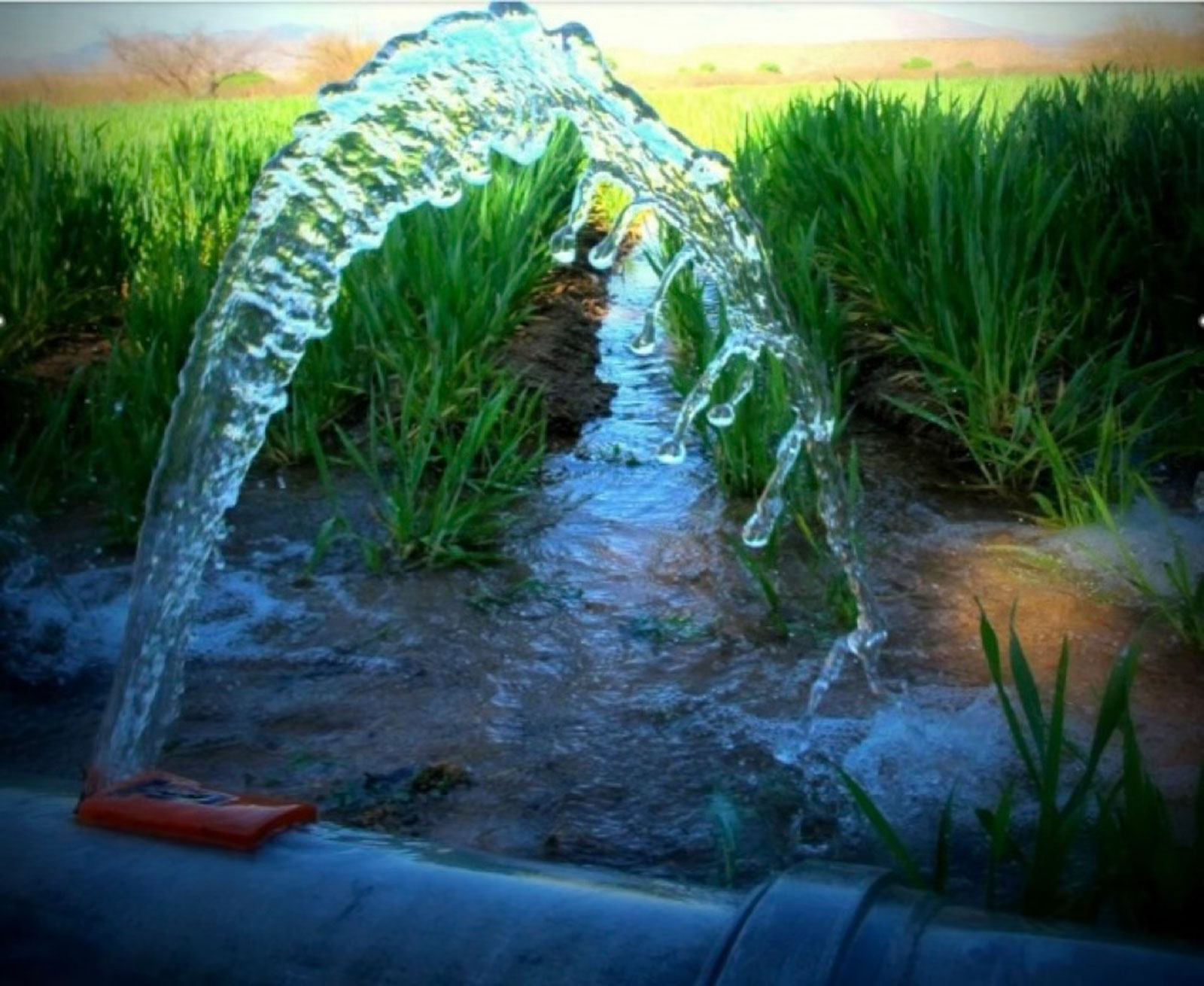
ST. DAVID SPRINGS
Water is not a feature. It’s the foundation.
For more than a century, oil helped shape the American West. It created fortunes, powered industries and influenced where economic development occurred.
In the twenty-first century, another natural resource is becoming increasingly important: water.
In the arid American West, water is more than a utility. It determines whether land can support a home, a ranch, agriculture, a community or future development. Unlike many commodities, there is no substitute for it.
Water is the new oil—and land with a proven, productive water supply may increasingly be worth more than land without it.
The West Is Being Forced to Think Differently About Water
The Colorado River has made water security a front-page issue. The river serves seven U.S. states and Mexico. Federal water managers report that after the record-low 2025–2026 snowpack, combined storage in Lake Powell and Lake Mead fell to its lowest level since before Lake Powell began filling in 1963. In September 2026, Lake Powell was about 22% of live capacity.
Those conditions make water tangible. A reservoir that once appeared almost limitless suddenly does not. The importance extends beyond drinking water and irrigation: Colorado River dams also generate hydroelectric power, linking water security with energy security and the infrastructure on which the West depends.
Now Consider St. David Springs
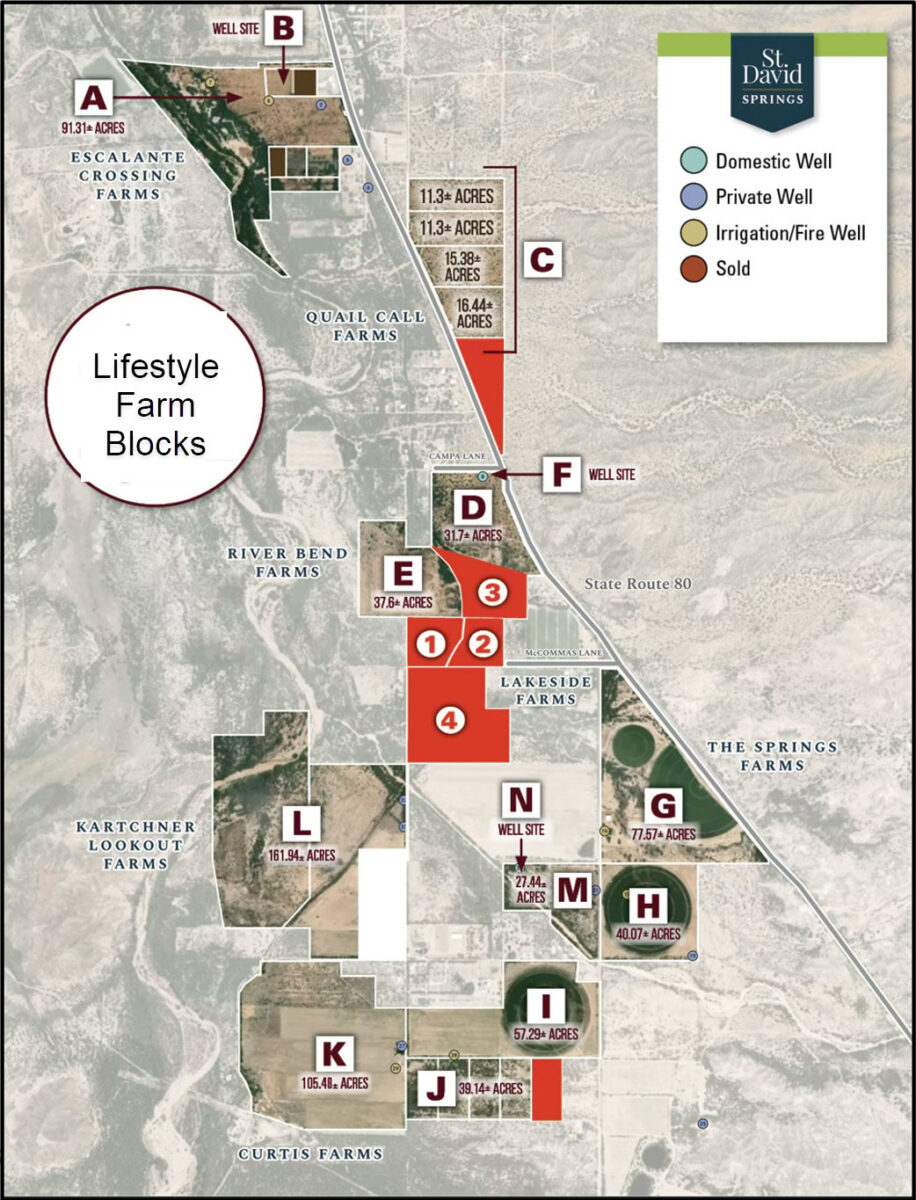
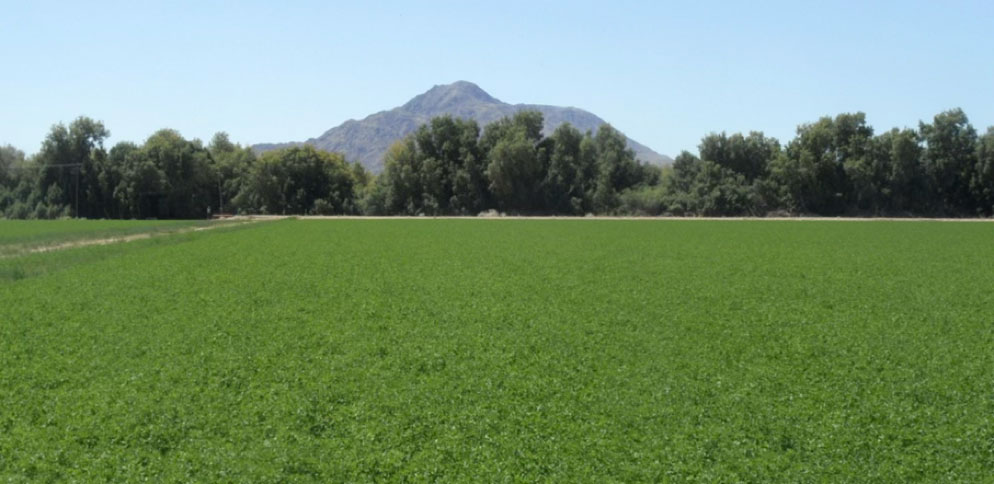
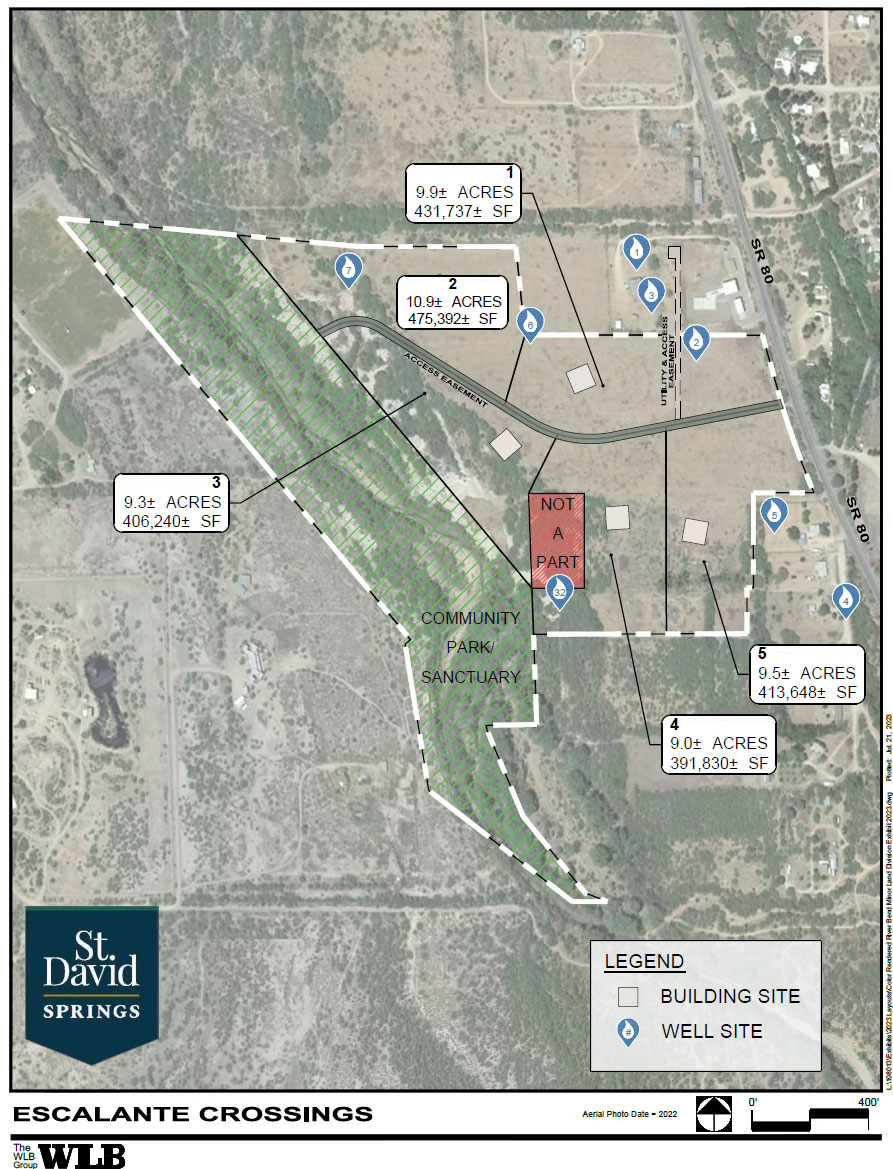
St. David Springs lies in Cochise County in Southern Arizona’s San Pedro River Valley. Over more than two decades, approximately 40 farmsteads were assembled into roughly 850 acres. The property records identify 21 documented and registered wells, registered surface-water rights, and three newer deep artesian wells approximately 820 feet deep.
But acreage alone does not tell the St. David Springs story. Water does.
More Than 130 Years of Artesian-Water History
The water history here goes back generations. Following the 1887 Sonoran earthquake, local hydrology changed and residents developed artesian wells. Historical material assembled for St. David Springs reports that in 1894 the McRae brothers encountered an artesian source at approximately 276 feet producing about 30 gallons per minute.
Today, St. David Springs contains numerous wells of varying depths and uses. One particularly notable well is documented as flowing approximately 45 gallons per minute without pumping.
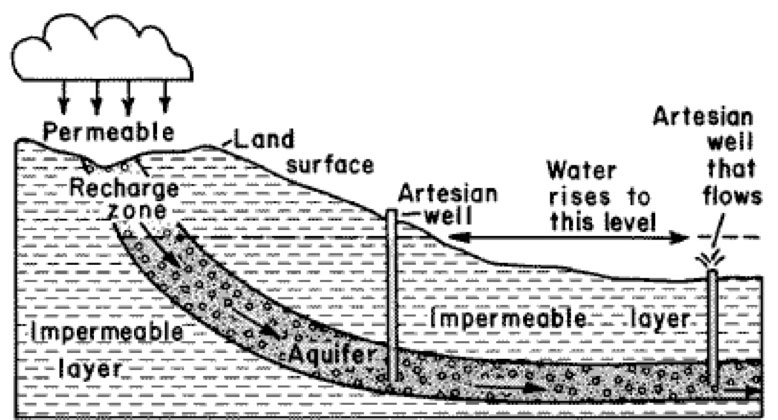
This is the important distinction between raw desert acreage and land with demonstrated water history: at St. David Springs, wells have already documented productive groundwater and artesian conditions.
What Is a Well Actually Worth?
Imagine two otherwise comparable 20-acre Arizona properties. Property A has no well. Property B has an existing, tested and productive 500-foot well. They should not be valued as though they are identical.
The buyer of Property A accepts the cost and uncertainty of drilling. The buyer does not know precisely what drilling conditions will be encountered, how deep the completed well will need to be, what its static water level will be, or what sustained yield will result.
LAND VALUE + WATER ASSET VALUE = PROPERTY VALUE
Probable Replacement Cost of a 500-Foot Well
Well costs vary with geology, drilling method, casing diameter, screens, grouting, pump capacity, electrical service, storage and intended use. The following are reasonable planning estimates for Southern Arizona—not contractor quotations—and are intended to show the magnitude of the water asset.
|
Casing |
Typical Application |
Probable 500′ Replacement Cost |
|
4-inch |
Light domestic use |
$35,000–$55,000 |
|
6-inch |
Residence / ranch |
$45,000–$75,000 |
|
8-inch |
Ranch / higher-volume use |
$75,000–$125,000 |
|
10-inch |
Agricultural / commercial |
$110,000–$175,000 |
|
12-inch |
Large agricultural / commercial |
$150,000–$250,000+ |
The lesson is straightforward: a productive well can itself represent a substantial capital asset.
St. David Springs Already Has the Proof
Three commercial-design wells at St. David Springs were constructed with approximately 12-inch casing for the first 200 feet and 8-inch casing continuing to approximately 800–850 feet, with screened casing and gravel packing. The property’s construction records place drilling and casing at approximately $300 per foot—about $240,000 for an 800-foot well—plus approximately $45,000 for the pump, motor system and tank at the time of the estimate.
One existing 800-plus-foot artesian well is documented with a static water level of approximately 14 feet. The St. David Springs material estimates its current reproduction cost at greater than $340,000.
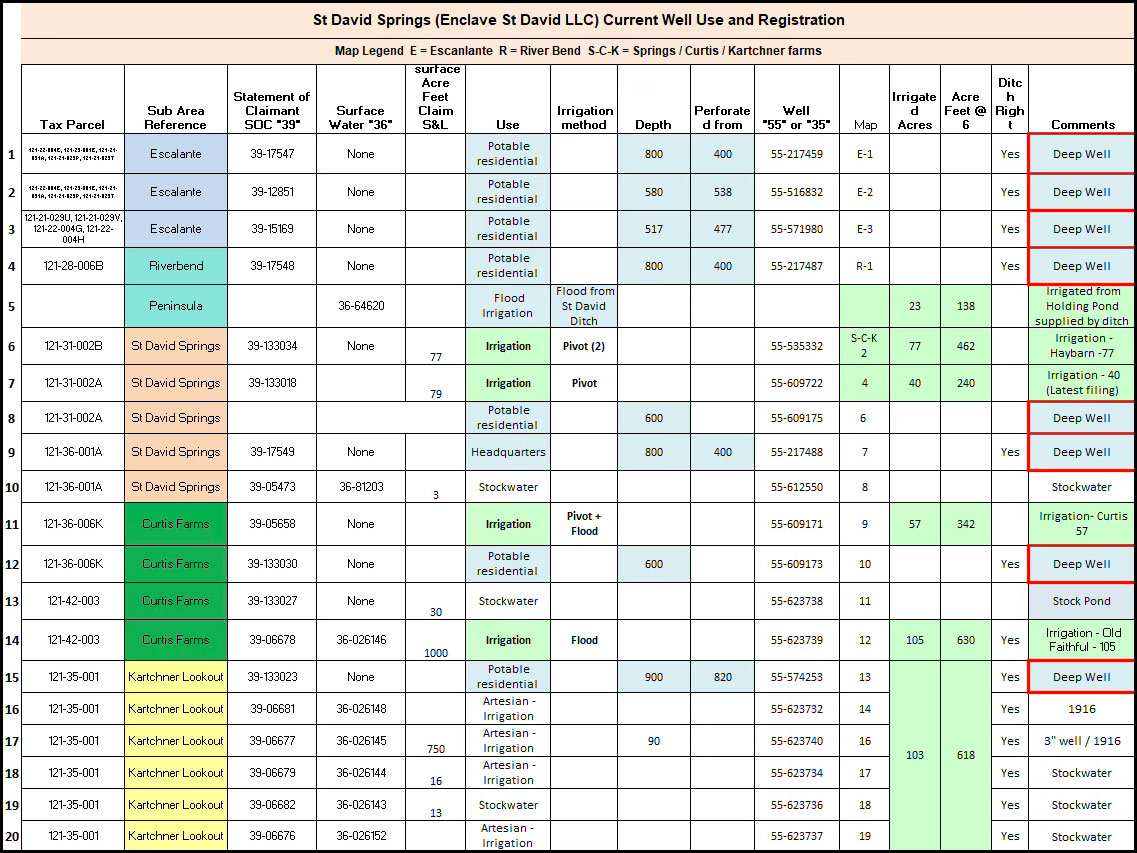
St. David Springs well-use and registration inventory documents deep residential, irrigation, stock-water and artesian wells.
Replacement Cost Is Only Part of the Value
There is another component that may be even more important: certainty.
Writing a check to a drilling contractor does not guarantee what nature will provide. An existing productive well has already answered many of the questions facing the owner of undeveloped land: depth, static water level, casing, demonstrated yield, water quality history and whether artesian conditions exist.
The value of an established productive well is not necessarily limited to the cost of drilling another hole. It also includes the value of reducing uncertainty.
The Water Beneath St. David Springs
No responsible landowner should claim that any groundwater resource is unlimited or perpetual. Aquifers are dynamic systems affected by recharge, withdrawals, geology and climate. But there is a substantial difference between claiming unlimited water and pointing to documented evidence.
St. David Springs has that evidence: numerous registered wells, deep wells hundreds of feet below grade, a history of agricultural use, documented artesian conditions, an 800-foot well reported with a static water level of about 14 feet, and another well reported at roughly 45 gallons per minute without pumping.
Don’t Value Water-Rich Land by the Acre Alone
Traditionally, rural real estate is marketed as acres multiplied by price per acre. That may no longer tell the whole story. A more complete presentation separates the land from the water assets and other improvements.
|
Asset |
What the Buyer Should Understand |
|
Land |
Acres × comparable land value |
|
Existing Well |
Probable current replacement cost |
|
Water Infrastructure |
Pump + electrical + storage + irrigation + pipelines |
|
Documented Water History |
Well logs + static levels + production history + water-quality information |
|
Applicable Water Rights |
Documented separately and subject to legal due diligence |
|
Total Property |
Land + water assets + improvements |
Water Is Not a Feature. It Is the Foundation.
A mountain view is a feature. A beautiful sunset is a feature. A riding trail is a feature. Water makes the property usable.
Water makes a home possible. It makes livestock possible. It makes a garden possible. It makes agriculture possible. It makes a family compound possible. And, where regulations and infrastructure allow, it can make future development possible.

Water Is the New Oil
Oil helped define the economic geography of the twentieth century. Water may increasingly influence the economic geography of the twenty-first-century American West.
There is one profound difference: we developed alternatives to oil. There is no alternative to water.
As populations increase and the Colorado River system confronts long-term supply challenges, Western property buyers are likely to become more sophisticated about water. They will ask where it comes from, how deep the well is, what it produces, what the static level is, what rights and documentation exist—and what it would cost to reproduce the water infrastructure they are buying.
ST. DAVID SPRINGS
The land has value. The well has value. The water has value.
WATER IS THE NEW OIL. OWN THE LAND. UNDERSTAND THE WATER. OWN BOTH.